Designing a Kitchen That Works for Everyday Life
A kitchen rarely becomes outdated overnight. More often, it gradually becomes harder to cook in, organize, clean, and enjoy. Storage disappears, traffic patterns become frustrating, countertops fill with appliances, and what once worked for a young family may no longer support today’s lifestyle. The most successful kitchen projects don’t begin with cabinet colors—they begin with understanding why the room no longer functions efficiently.
Many homeowners assume a larger kitchen automatically solves these problems. In reality, a well-planned layout often delivers greater improvements than simply adding square footage. Better storage, improved lighting, efficient workflow, and durable materials usually have a greater impact on everyday life than decorative upgrades alone.
“Exceptional kitchens are remembered for how they work—not just for how they look.”
EDITOR’S NOTE
Design trends change every few years, but good kitchen planning remains remarkably consistent. A successful kitchen supports cooking, cleaning, storage, conversation, and movement without making any one activity more difficult. Before comparing finishes, evaluate how your family actually uses the room from morning until evening.
Start With Your Daily Routine Instead of the Floor Plan
One of the first questions professional designers ask is surprisingly simple:
“What frustrates you every day?”
The answer usually has very little to do with appearance.
Homeowners commonly mention:
- Too little countertop workspace.
- Insufficient pantry storage.
- Traffic congestion around the refrigerator.
- Poor lighting while preparing food.
- Limited storage for small appliances.
- Awkward cabinet layouts that waste space.
- Difficulty entertaining while cooking.
These issues reveal the real priorities for the project. Solving them first creates a kitchen that continues performing well long after design trends have changed.
Design the Kitchen Around Workflow, Not Individual Features
One of the biggest mistakes homeowners make is choosing cabinets, appliances, and countertops independently instead of designing them as one coordinated system.
A kitchen functions through movement. Every meal involves repeated trips between food storage, preparation, cooking, serving, and cleanup. If these zones compete with one another, even the most beautiful kitchen becomes inefficient.
| Kitchen Zone | Purpose | Planning Priority |
|---|---|---|
| Storage | Food and cookware | Easy access and organization |
| Preparation | Food prep | Continuous workspace with good lighting |
| Cooking | Range and oven | Ventilation and nearby utensil storage |
| Cleanup | Sink and dishwasher | Convenient waste and dish storage |
Rather than focusing on individual products, consider how easily you can move between these areas. Even a modest-sized kitchen can feel spacious when the workflow is thoughtfully planned.
Storage Should Eliminate Clutter, Not Simply Hide It
Adding more cabinets doesn’t always create a better kitchen. The goal is to make storage accessible, organized, and appropriate for the items you actually own.
Before selecting cabinetry, take inventory of your kitchen.
Separate items into categories such as:
- Daily cookware.
- Small appliances.
- Serving dishes.
- Baking supplies.
- Food storage containers.
- Cleaning products.
- Bulk pantry items.
This exercise often reveals opportunities to replace deep, difficult-to-reach cabinets with drawers, vertical storage, pull-out organizers, or appliance garages that improve accessibility without increasing the kitchen’s footprint.
Store frequently used items between waist and shoulder height whenever possible. Reserve upper cabinets for seasonal items and lower storage for heavier cookware. Organizing by frequency of use often improves efficiency more than adding extra cabinets.
Choose Materials Based on Performance First
Beautiful finishes attract attention in a showroom, but kitchens experience constant wear from moisture, heat, spills, cleaning products, and heavy daily use.
Before selecting any material, ask yourself:
- How easy is it to maintain?
- Will it show fingerprints or scratches?
- Can damaged sections be repaired?
- How will it look after ten years of everyday use?
- Does it suit the way your family actually cooks?
These questions often lead homeowners toward more practical decisions than choosing materials based solely on current trends or social media inspiration.
Lighting Is One of the Most Overlooked Design Decisions
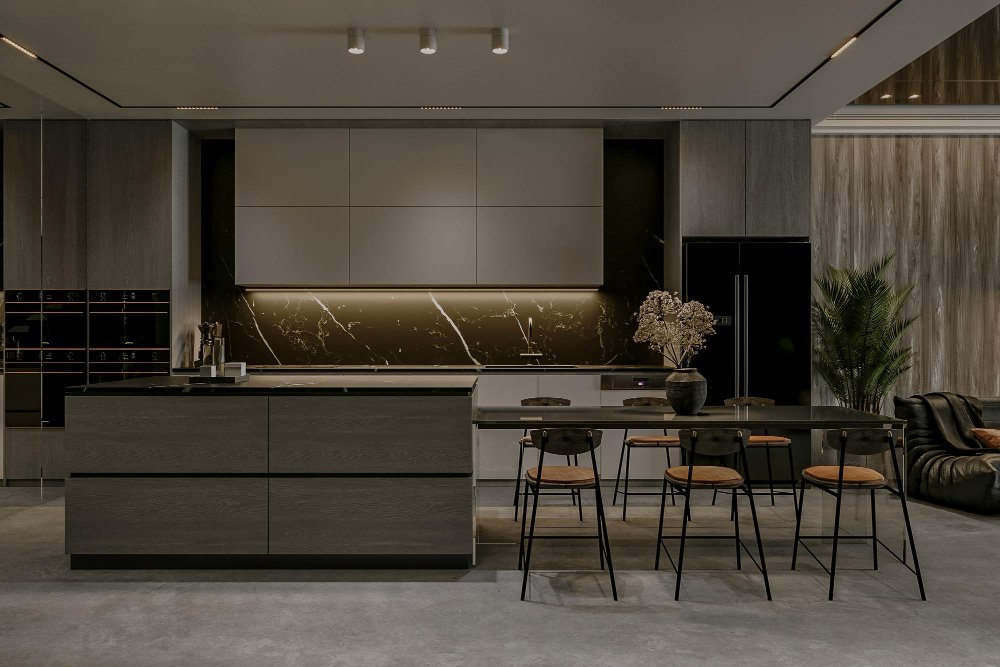
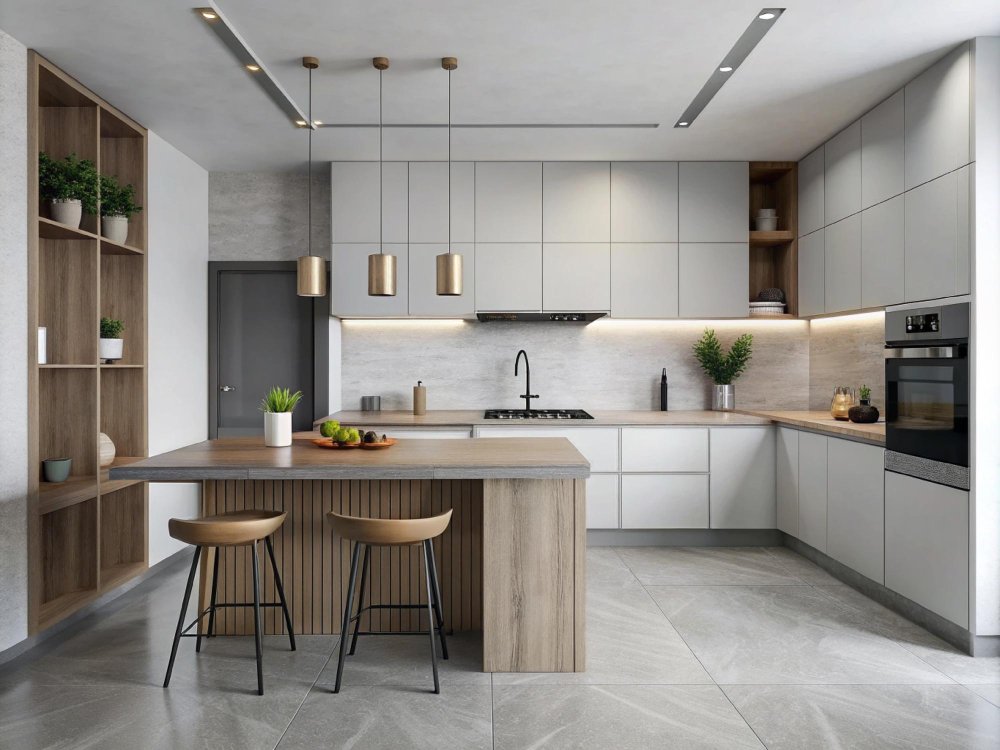
Even a beautifully designed kitchen can feel uncomfortable if the lighting is inadequate. Many homeowners rely on a single ceiling fixture, only to discover that their own body casts shadows across the countertop while preparing meals.
The most functional kitchens use several layers of lighting that work together.
| Lighting Type | Purpose | Where It Works Best |
|---|---|---|
| Ambient | General room illumination | Ceiling fixtures and recessed lights |
| Task | Food preparation | Under-cabinet lighting and islands |
| Accent | Highlight architectural details | Glass cabinets and display shelving |
| Decorative | Add visual character | Pendant lights and statement fixtures |
Planning lighting before cabinetry is installed also allows electrical outlets, switches, and wiring to be positioned exactly where they will be needed.
Where to Invest—and Where to Save
Not every component of a kitchen remodel deserves the same share of the budget. Prioritizing long-term performance over cosmetic upgrades usually provides greater value throughout the life of the home.
Invest in:
- Cabinet construction and hardware.
- Functional storage systems.
- Quality ventilation.
- Durable flooring.
- Reliable plumbing fixtures.
- Proper electrical capacity for future appliances.
You may be able to save on:
- Designer cabinet handles that can be replaced later.
- Decorative pendant fixtures.
- Backsplash patterns that add cost but not functionality.
- Luxury finishes that require higher maintenance.
Infrastructure and layout are difficult to change once construction is complete. Decorative details can usually be upgraded in the future with far less expense.
One of the smartest remodeling decisions is spending money on the features you interact with every day—drawer slides, hinges, storage systems, ventilation, and lighting. These improvements continue adding value long after the excitement of new finishes has faded.
Questions to Ask Before Approving the Final Design
Before construction begins, review the plans carefully and ask questions that focus on how the kitchen will perform rather than how it will look.
- Is there enough uninterrupted workspace near the primary preparation area?
- Will frequently used cookware be stored close to the cooking zone?
- Can multiple people comfortably use the kitchen at the same time?
- Where will small appliances be stored when not in use?
- Does the design allow room for future appliances?
- Will lighting eliminate shadows across work surfaces?
- Are electrical outlets positioned where they will actually be needed?
- What maintenance will the selected materials require?
These questions often identify small design adjustments that significantly improve the finished kitchen without increasing the overall budget.
“A successful kitchen doesn’t ask you to change your habits. It supports them naturally.”
Creating a Kitchen That Continues to Perform for Years
The best kitchens are rarely defined by the latest trend or the most expensive finishes. They succeed because every design decision supports everyday living. Storage is organized around real cooking habits, lighting improves visibility, durable materials reduce maintenance, and the layout allows family members to move comfortably throughout the space.
When planning your next kitchen project, begin by identifying daily frustrations instead of selecting colors or cabinet styles. Solve workflow challenges first, invest in quality infrastructure, and choose materials that match the way your household actually lives. Those decisions will continue paying dividends long after trends have changed.
A thoughtfully designed kitchen isn’t simply a place to prepare meals—it becomes one of the most valuable and enjoyable spaces in the home because it makes everyday life noticeably easier.