10 Expert Tips for Planning Custom Closets That Truly Work
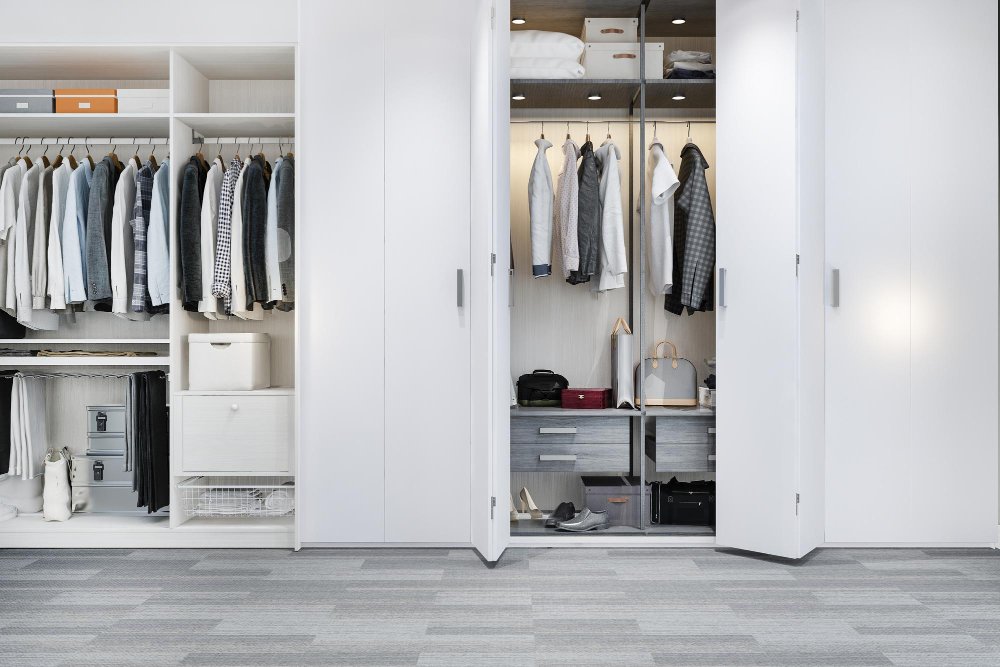
A well-designed Custom Closets system does far more than provide extra storage. It simplifies your daily routine, protects clothing and accessories, reduces clutter throughout the home, and helps every available inch of space work more efficiently. Surprisingly, larger closets are not always more functional. The difference usually comes down to thoughtful planning rather than square footage.
Before investing in a custom closet, homeowners should think beyond shelves and hanging rods. The best systems are designed around daily habits, wardrobe size, seasonal storage needs, and future lifestyle changes.
1. Start by Understanding What You Actually Need to Store
One of the biggest planning mistakes is designing a closet before taking inventory of what it will hold.
Begin by grouping your belongings into categories such as:
- Long hanging clothing.
- Short hanging clothing.
- Folded sweaters and jeans.
- Shoes and boots.
- Jewelry and watches.
- Handbags.
- Seasonal clothing.
- Suitcases and travel accessories.
This simple exercise often reveals that many homeowners need more drawers or shelving rather than additional hanging space.
Key Takeaway: Design storage around your wardrobe—not around a standard closet template.
2. Divide the Closet Into Functional Zones
Professional designers rarely treat a closet as one large storage space. Instead, they divide it into zones based on frequency of use.
- Primary Zone: Everyday clothing positioned between waist and shoulder height.
- Secondary Zone: Weekly-use items such as jackets and specialty shoes.
- Long-Term Zone: Seasonal clothing, luggage, and keepsakes stored on upper shelves.
This arrangement minimizes unnecessary reaching while making daily routines noticeably faster.
Key Takeaway: Frequently used items should always be the easiest to access.
3. Maximize Vertical Space Without Sacrificing Accessibility
Many closets waste valuable storage by leaving large unused areas near the ceiling. While upper shelves provide excellent long-term storage, they should not become the primary location for everyday essentials.
Instead, use upper sections for:
- Holiday clothing.
- Extra bedding.
- Travel gear.
- Memory boxes.
- Occasionally used accessories.
At the same time, avoid stacking storage so high that it requires a ladder for routine use.
Key Takeaway: Every shelf should have a purpose, but convenience should always guide the layout.
4. Invest in Adjustable Storage Instead of Fixed Layouts
Your wardrobe will almost certainly change over the next several years. Adjustable shelving provides flexibility that fixed systems simply cannot match.
Adjustable components allow homeowners to:
- Add shoe storage later.
- Create additional shelving.
- Expand drawer space.
- Adapt the closet for changing seasons.
- Reconfigure storage as family needs evolve.
This flexibility often extends the useful life of the entire closet system without requiring major reconstruction.
Key Takeaway: A closet that adapts over time provides greater long-term value than one designed only for today’s wardrobe.
5. Plan Lighting Before Installation Begins
Even the most beautifully organized closet becomes frustrating if it’s poorly lit. Dark shelves make it difficult to identify clothing colors, locate accessories, and keep the space organized.
Consider combining:
- Ceiling lighting.
- Integrated LED shelf lighting.
- Motion-activated lighting.
- Accent lighting for display areas.
Planning electrical work before cabinetry installation is far easier than retrofitting lighting after construction is complete.
Key Takeaway: Good lighting improves both functionality and the overall experience of using the closet every day.
6. Include Storage for More Than Clothing
A custom closet should organize your entire daily routine—not just your wardrobe. Many homeowners overlook accessories and personal items that create clutter elsewhere in the bedroom.
Consider dedicated storage for:
- Jewelry and watches.
- Belts and ties.
- Handbags.
- Hats and scarves.
- Small electronics and charging stations.
- Important documents or valuables.
Giving every item a permanent location makes the closet easier to maintain and reduces the temptation to leave belongings on dressers or countertops.
Key Takeaway: The more complete your organization system, the less clutter will appear throughout the rest of the home.
7. Don’t Overlook the Quality of Hardware
Beautiful cabinetry won’t feel luxurious if drawers stick, shelves sag, or doors become misaligned after only a few years. Hardware is one of the most frequently used parts of any closet system, making quality an important long-term investment.
Look for:
- Soft-close drawer slides.
- Heavy-duty shelf supports.
- Durable hinges.
- Quality hanging rods.
- Scratch-resistant finishes.
Key Takeaway: Durable hardware often has a greater impact on long-term satisfaction than decorative finishes.
8. Plan for Future Lifestyle Changes
A closet designed only for today’s needs may become inefficient as your lifestyle changes. New hobbies, career changes, children, or downsizing can all affect how storage is used.
Leave flexibility for:
- Expanding wardrobe collections.
- Seasonal storage changes.
- Additional shelving.
- Changing footwear collections.
- Future organizational accessories.
Key Takeaway: A flexible closet continues providing value long after installation.
9. Ask the Right Questions Before Hiring a Designer
Before approving a design, ask questions that focus on long-term functionality rather than appearance alone.
- Can the shelving be adjusted later?
- What materials are used for cabinet construction?
- How much weight can each shelf safely support?
- Will lighting be integrated?
- What warranty covers hardware and installation?
- Can additional accessories be added in the future?
Key Takeaway: Better questions during planning usually lead to better long-term results.
10. Design for Everyday Convenience, Not Just Appearance
Professional Custom Closets are most successful when they reduce everyday effort. Clothing should be easy to see, accessories easy to reach, and storage simple to maintain. A beautiful closet that slows down your morning routine has missed its purpose.
- Inventory your belongings before designing the layout.
- Organize storage by frequency of use.
- Maximize vertical space thoughtfully.
- Choose adjustable shelving for flexibility.
- Invest in quality hardware and lighting.
- Plan storage for accessories—not just clothing.
- Design for future needs as well as current ones.
A thoughtfully planned Custom Closets system becomes more than a storage upgrade—it becomes part of your daily routine. By focusing on functionality, flexibility, durability, and organization instead of simply adding shelves, homeowners create spaces that remain efficient, attractive, and easy to maintain for many years.