Choosing Door Replacement Services That Deliver Lasting Value
Replacing an exterior door is one of the few home improvement projects that immediately affects security, comfort, energy efficiency, and curb appeal. Yet many homeowners discover that choosing the right door replacement services involves much more than selecting a style they like. The door itself is only one part of the system. The frame, threshold, flashing, insulation, weatherstripping, and installation quality determine how well the new entry performs for years to come.
Many older homes lose conditioned air around the entry door because of worn seals, shifting frames, or outdated installation methods. Replacing only the door slab without correcting those underlying issues often leaves homeowners with the same drafts, moisture problems, and operating difficulties they hoped to eliminate.
“A front door should do more than welcome guests—it should quietly protect your home every single day.”
The best door replacement projects focus on performance first and appearance second. A beautiful entry door that leaks air, sticks during seasonal changes, or allows water intrusion will quickly become a disappointment. Good installation is every bit as important as the door you choose.
Start by Understanding Why the Existing Door Needs Replacement
Before comparing materials or decorative glass options, identify the real reason the current door no longer meets your needs.
Common problems include:
- Drafts around the frame during hot or cold weather.
- Difficulty opening or closing the door.
- Visible gaps beneath the threshold.
- Moisture damage around the frame.
- Worn weatherstripping.
- Poor security caused by aging hardware.
- Outdated appearance that no longer complements the home.
Understanding the root cause helps determine whether the project requires a complete replacement or whether limited repairs could solve the problem.
Choosing the Right Door Material
Every door material offers different advantages. Instead of asking which option is “best,” consider which one best matches your climate, maintenance expectations, security priorities, and budget.
| Material | Strengths | Things to Consider |
|---|---|---|
| Fiberglass | Excellent durability, energy efficiency, low maintenance | Higher initial investment than some options |
| Steel | Strong security, excellent value | May require repair if dented |
| Wood | Classic appearance, highly customizable | Requires regular maintenance |
| Glass Panel Designs | Natural light, enhanced curb appeal | Privacy and energy performance depend on glass selection |
Rather than selecting a material based only on appearance, think about long-term maintenance, local weather conditions, and how much direct sunlight the entry receives throughout the year.
Installation Details Matter More Than Most Homeowners Realize
Even a premium-quality door cannot perform properly if it is installed into an uneven opening or without proper moisture protection.
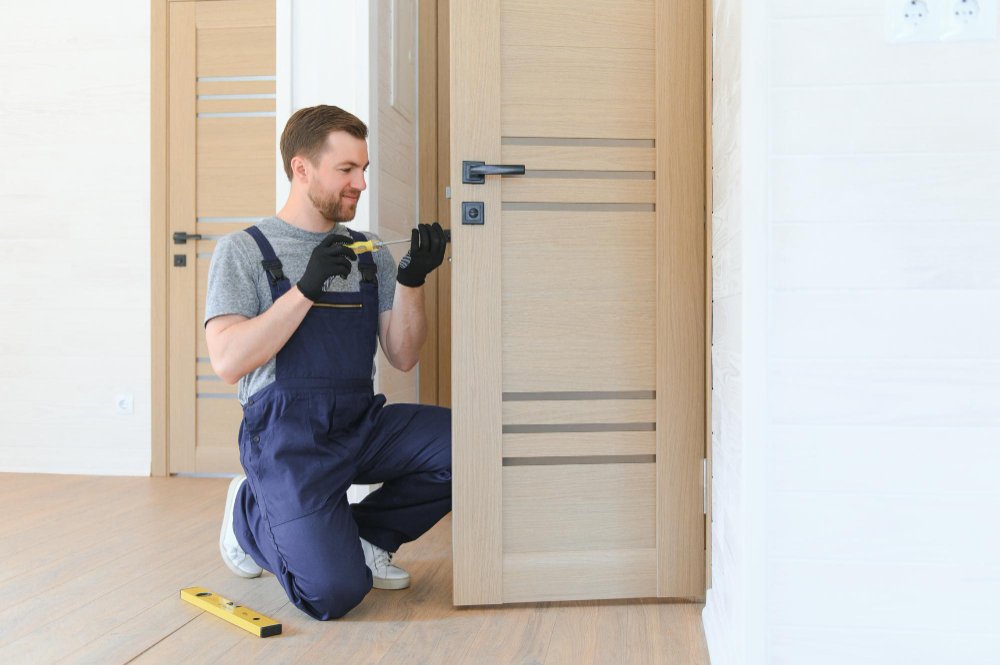
A professional installation typically includes:
- Inspecting the rough opening for structural damage.
- Checking the condition of the existing frame.
- Installing flashing where necessary.
- Sealing gaps with appropriate insulation.
- Adjusting the threshold for a weather-tight fit.
- Testing door alignment and latch operation.
- Confirming smooth operation before finishing trim work.
Ask your contractor whether the proposal includes replacing weatherstripping, adjusting the threshold, and inspecting the surrounding framing. These details often have a greater impact on comfort and energy efficiency than the decorative features of the door itself.
Security Is About More Than the Lock
Many homeowners focus on smart locks or decorative hardware, but overall security depends on the complete entry system.
A strong door should be paired with:
- A reinforced frame.
- Properly anchored strike plates.
- Quality hinges.
- Multi-point locking systems where appropriate.
- Durable weather-resistant materials.
Upgrading hardware while leaving a weakened frame in place limits the effectiveness of the entire system. A secure installation addresses both the visible and hidden components of the entry.
Improve Energy Efficiency Without Sacrificing Style
A modern entry door should help maintain a comfortable indoor environment throughout the year. Air leaks around the frame, worn weatherstripping, or poor insulation can increase heating and cooling costs while creating uncomfortable drafts near the entrance.
When comparing doors, consider features such as:
- Insulated cores for improved thermal performance.
- High-quality compression weatherstripping.
- Energy-efficient glass packages where glass inserts are used.
- Thermally broken thresholds that help reduce heat transfer.
- Professional sealing around the rough opening.
These details work together to improve comfort and reduce unnecessary energy loss without affecting the appearance of the entry.
“The best entry doors make a home feel more comfortable without homeowners ever noticing why.”
Questions Every Homeowner Should Ask Before Hiring a Contractor
A detailed proposal should explain more than the model of the door being installed. Before signing a contract, ask questions that focus on long-term performance.
- Will the existing frame be inspected before installation?
- Is flashing included where needed?
- How will gaps around the frame be insulated and sealed?
- Will the threshold be adjusted after installation?
- What warranty covers workmanship?
- Will old materials be removed and disposed of?
- How will the surrounding trim be protected or replaced if necessary?
Clear answers help homeowners compare contractors based on workmanship rather than price alone.
The lowest estimate may exclude important items such as flashing repairs, insulation upgrades, trim replacement, or frame corrections. Comparing the complete scope of work is often more valuable than comparing the final price.
Planning for Long-Term Performance
Professional entry door replacement planning should consider how the entry will perform ten or twenty years from now—not just how it looks on installation day.
Routine maintenance remains important even for modern doors. Homeowners should periodically inspect weatherstripping, lubricate hinges and locks, check caulking around the exterior trim, and ensure drainage around the threshold remains unobstructed. Small maintenance tasks often prevent much larger repairs later.
It is also worth considering future needs. Wider entry doors, durable low-maintenance finishes, and high-quality hardware continue providing value as families grow, lifestyles change, and accessibility becomes increasingly important.
Choosing an Entry That Protects Your Home for Years
The right door replacement services project improves far more than curb appeal. It strengthens security, increases energy efficiency, enhances everyday comfort, and helps protect the home’s structure from air and moisture infiltration.
By focusing on complete system performance—including the frame, flashing, insulation, threshold, and professional installation—homeowners make an investment that continues delivering benefits long after the project is finished. A thoughtfully installed entry door is not simply a new feature; it becomes one of the hardest-working components of the entire home.