Quartz vs. Natural Stone: Which Countertop Is Right for You?
Selecting the right Countertops is one of the most important decisions in a kitchen remodel because the surface affects how you cook, clean, maintain your kitchen, and even how future buyers perceive your home. Many homeowners begin by choosing a color they like, only to discover later that maintenance requirements, heat resistance, stain protection, or repairability matter far more than appearance. The best countertop is not necessarily the most expensive one—it is the material that best matches the way your household actually lives.
Every countertop material has strengths and compromises. Understanding those trade-offs before making a purchase helps homeowners avoid expensive regret after installation.
Option A: Quartz Countertops
Quartz has become one of the most popular countertop materials because it combines durability with relatively simple maintenance. Since it is engineered, color and pattern are generally more consistent than natural stone, making it easier to coordinate with cabinetry and flooring.
Quartz works particularly well for busy families who cook frequently and want a surface that doesn’t require periodic sealing.
Advantages
- Non-porous surface.
- Excellent stain resistance.
- No routine sealing.
- Consistent appearance.
- Wide selection of colors and patterns.
Potential Drawbacks
- Premium pricing.
- Very heavy, requiring proper cabinet support.
- Some products may be sensitive to prolonged exposure to extreme heat.
Option B: Natural Stone Countertops
Granite, quartzite, marble, and soapstone each offer distinctive character because every slab is unique. For homeowners who appreciate natural variation, stone often provides a level of individuality that engineered materials cannot replicate.
However, natural stone should be selected with a clear understanding of maintenance requirements.
| Material | Best For | Maintenance |
|---|---|---|
| Granite | Busy family kitchens | Periodic sealing depending on product |
| Quartzite | Natural stone appearance with excellent durability | Regular sealing recommended |
| Marble | Baking enthusiasts and luxury aesthetics | Higher maintenance; may etch or stain more easily |
| Soapstone | Traditional kitchens | Develops a natural patina over time |
The right choice depends on your expectations. Some homeowners appreciate the evolving character of natural stone, while others prefer a surface that changes as little as possible over time.
Side-by-Side Comparison
| Feature | Quartz | Natural Stone |
|---|---|---|
| Appearance | Consistent patterns | Every slab is unique |
| Routine Maintenance | Low | Generally higher |
| Sealing Required | No | Often recommended |
| Heat Resistance | Good* | Excellent for many stones* |
| Design Flexibility | Very broad color selection | Natural variation only |
*Always follow the manufacturer’s care recommendations and use trivets for hot cookware regardless of countertop material.
Don’t choose a countertop after seeing only a small sample. Whenever possible, view an entire slab under lighting similar to your own kitchen. Veining, color variation, and finish can look dramatically different across a full slab than on a display sample.
Pros & Cons at a Glance
| Material | Pros | Cons |
|---|---|---|
| Quartz |
|
|
| Natural Stone |
|
|
Beyond the Countertop: Installation Matters Just as Much
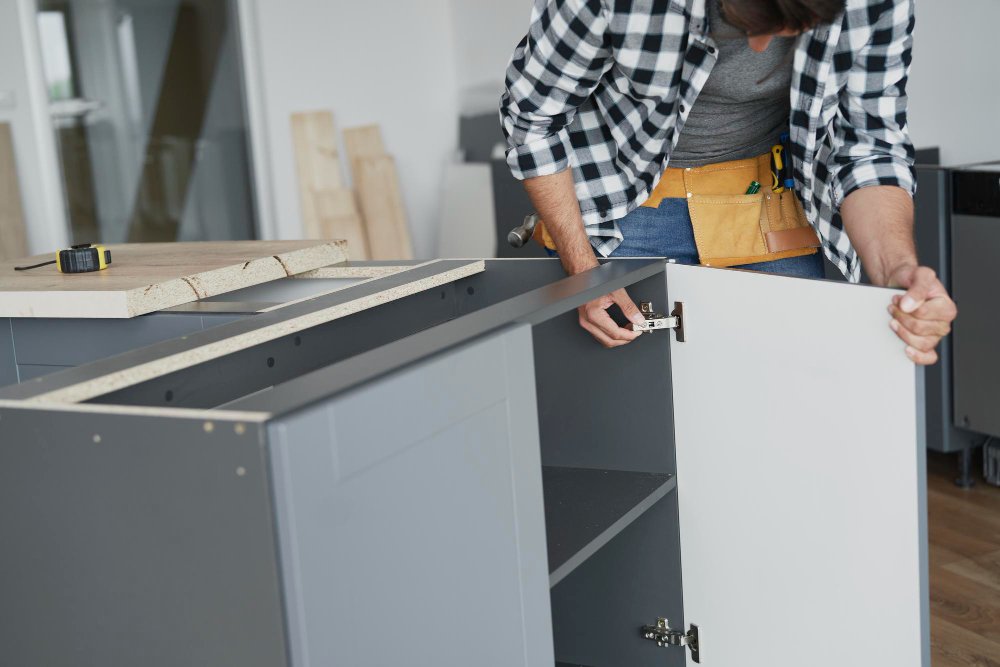
Even the highest-quality countertop can perform poorly if it is installed incorrectly. Before choosing a material, homeowners should understand how fabrication and installation influence the finished result.
Important considerations include:
- Accurate cabinet leveling before templating.
- Proper support for overhangs and islands.
- Thoughtful seam placement to reduce visibility.
- Correct sink mounting methods.
- Careful planning around cooktops and appliances.
- Appropriate edge profiles for safety and durability.
A poorly positioned seam or uneven cabinet base may be far more noticeable in daily use than a slight difference in countertop color.
Questions Every Homeowner Should Ask Before Ordering
Choosing the right material is only part of the decision. Asking the right questions before fabrication begins can prevent expensive surprises later.
- Can I view the full slab before fabrication?
- Where will seams be located?
- How should the countertop be maintained?
- Does this material require sealing?
- How resistant is it to scratches, stains, and heat?
- What warranty applies to both the material and installation?
- Will my existing cabinets adequately support the new countertop?
These conversations often reveal important differences between products that appear similar in a showroom.
Think about your daily habits—not just your design preferences. If your family cooks frequently, entertains often, or has young children, ease of maintenance may be more valuable than selecting the most luxurious material available.
Which Countertop Is the Best Fit for Your Home?
Professional Countertop Installation should always begin with understanding how the kitchen will be used. There is no universally “best” countertop material. The right choice depends on your cooking habits, maintenance expectations, design preferences, and long-term plans for the home.
| If You… | Recommended Choice | Why |
|---|---|---|
| Want the lowest routine maintenance | Quartz | Non-porous and easy to maintain |
| Prefer a one-of-a-kind natural appearance | Granite or Quartzite | Every slab has unique patterns |
| Love traditional character | Soapstone | Develops a distinctive patina over time |
| Enjoy baking and classic luxury aesthetics | Marble | Elegant appearance with unique characteristics |
If your priority is balancing durability, low maintenance, and everyday practicality, quartz is often the strongest all-around choice for most modern households. However, homeowners seeking natural character and willing to perform additional maintenance may find that granite, quartzite, or other natural stones better match their expectations.
The best Countertops are the ones that support the way you live—not simply the ones that look impressive in a showroom. By comparing maintenance, durability, installation requirements, and long-term performance before making a decision, homeowners can invest confidently in a surface that will continue performing beautifully for many years.