Shower Replacement Case Study: What Homeowners Should Know
A shower replacement project may seem straightforward—remove the old shower and install a new one. In reality, the success of the project depends on far more than selecting attractive tile or glass. Waterproofing, plumbing condition, ventilation, drainage, accessibility, and installation quality all determine whether the new shower will perform reliably for the next twenty years. This case study follows a typical remodeling project and highlights the lessons every homeowner should know before starting.
The Situation
The homeowners lived in a twenty-year-old home where the primary bathroom still had its original fiberglass shower enclosure. While it remained functional, years of daily use had left visible stains, worn caulking, outdated fixtures, and recurring leaks around the base. Cleaning required increasing effort, and moisture often lingered in the bathroom long after each shower.
Their goals extended beyond improving appearance. They wanted:
- A shower that was easier to clean.
- Improved waterproofing and moisture protection.
- Better lighting.
- Modern fixtures with reliable water control.
- Storage for everyday toiletries.
- A design that would remain comfortable as they grew older.
Instead of treating the project as a cosmetic upgrade, they approached it as an opportunity to improve the overall performance of the bathroom.
The Challenge
Once demolition began, several hidden issues appeared. Moisture had damaged portions of the drywall behind the existing surround, and an older plumbing valve no longer met the homeowner’s expectations for temperature control. The exhaust fan was also undersized, contributing to excessive humidity after every shower.
These discoveries changed the priorities of the project. Rather than investing the entire budget in premium finishes, the homeowners chose to correct the underlying construction issues first.
| Existing Condition | Recommended Improvement |
|---|---|
| Outdated shower enclosure | Modern waterproof shower system |
| Recurring moisture problems | New waterproofing membrane and flashing |
| Limited storage | Built-in recessed niches |
| Poor ventilation | Higher-capacity exhaust fan |
| Aging plumbing valve | Modern pressure-balanced valve |
Hidden conditions behind the walls often determine the true scope of a shower replacement. Budgeting for potential repairs before demolition helps avoid difficult financial decisions later.
The Solution
Before selecting tile or fixtures, the contractor developed a plan focused on long-term durability.
The project included:
- Complete removal of the existing shower.
- Replacement of moisture-damaged wall materials.
- Installation of a modern waterproofing membrane.
- Updated plumbing valves and shower fixtures.
- A slip-resistant shower base.
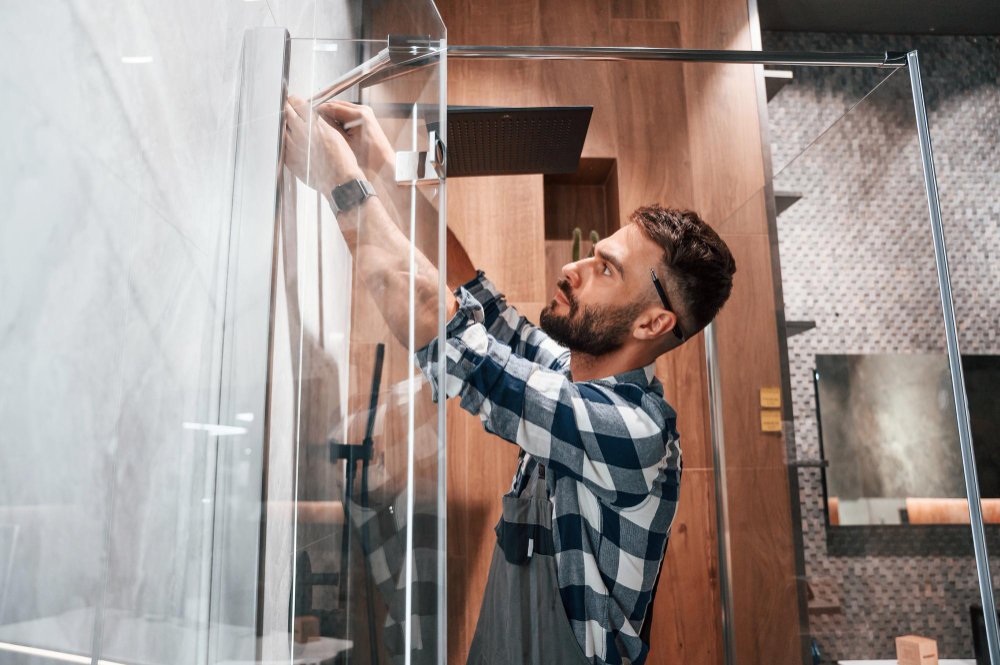
- Frameless glass enclosure.
- Recessed storage niches positioned within comfortable reach.
- An upgraded exhaust fan to improve moisture control.
The homeowners also chose a neutral tile design with larger-format tiles. This reduced grout lines, simplified maintenance, and created a brighter, more open appearance.
Decisions That Added Long-Term Value
Rather than selecting products based only on appearance, every major decision answered a practical question.
- Why replace the plumbing valve? Because replacing it later would require opening finished walls.
- Why improve ventilation? To reduce humidity that can shorten the life of paint, trim, and cabinetry.
- Why install recessed niches? To eliminate hanging baskets and reduce clutter.
- Why choose slip-resistant flooring? To improve everyday safety without compromising appearance.
- Why invest in waterproofing? Because tile is decorative—the waterproofing system is what actually protects the home.
These decisions increased the initial investment slightly but significantly improved durability, comfort, and future maintenance.
The Results
When construction was complete, the bathroom looked noticeably more modern, but the greatest improvements were not purely visual. The upgraded shower performed better every day because the project addressed the underlying causes of the original problems rather than simply replacing worn finishes.
| Before | After |
|---|---|
| Difficult-to-clean fiberglass surround | Large-format tile with fewer grout lines |
| Recurring moisture concerns | Modern waterproofing system and improved ventilation |
| Limited storage | Integrated recessed niches |
| Older plumbing valve | Pressure-balanced temperature control |
| Minimal accessibility planning | Safer flooring and future-ready layout |
The homeowners reported that the room felt brighter, easier to maintain, and significantly more comfortable to use. Daily cleaning became faster, humidity cleared more quickly after showers, and the new storage eliminated countertop clutter.
- ✓ Improved moisture protection behind finished surfaces.
- ✓ Easier cleaning with fewer grout joints.
- ✓ Better air circulation and humidity control.
- ✓ Increased storage without reducing shower space.
- ✓ A design prepared for long-term accessibility.
Key Lessons for Homeowners
This project reinforced several principles that apply to almost every shower replacement.
- Never assume the visible damage tells the whole story.
- Inspect plumbing, framing, and waterproofing whenever walls are opened.
- Invest in infrastructure before premium finishes.
- Choose fixtures with replacement parts that will remain available.
- Plan storage, lighting, and ventilation together instead of treating them as separate decisions.
One of the smartest decisions made during this project was upgrading systems that would have been difficult or expensive to access after construction was complete.
Questions Every Homeowner Should Ask Before Starting
Before approving a shower replacement proposal, ask your contractor:
- What waterproofing system will be installed behind the tile?
- Will the plumbing valve be inspected or replaced?
- How will moisture testing be performed before reconstruction?
- Will damaged framing or drywall be documented if discovered?
- How will the shower floor be sloped toward the drain?
- Is the existing ventilation system adequate for the new shower?
- What workmanship warranty is included?
Clear answers to these questions often reveal how thoroughly the project has been planned.
Making the Right Investment
Professional shower installation replacement planning focuses on more than selecting attractive finishes. Waterproofing, drainage, plumbing, ventilation, and thoughtful layout determine whether the new shower will continue performing well long after the remodeling project is complete.
Homeowners who prioritize these hidden systems before choosing decorative features usually enjoy lower maintenance, greater reliability, and fewer unexpected repairs throughout the life of the bathroom.
“The most successful shower replacements aren’t remembered because of the tile pattern—they’re remembered because the shower still performs beautifully ten or twenty years later.”
What This Project Teaches Homeowners
A successful shower replacement is not simply about installing a new enclosure. It is an opportunity to improve one of the home’s most frequently used spaces by correcting hidden issues, upgrading critical systems, and designing for comfort that lasts well beyond current trends.
When homeowners focus first on performance—and second on appearance—they create bathrooms that are easier to maintain, more comfortable to use, and better prepared for the future.