Expert Answers About Custom Library & Bookcases
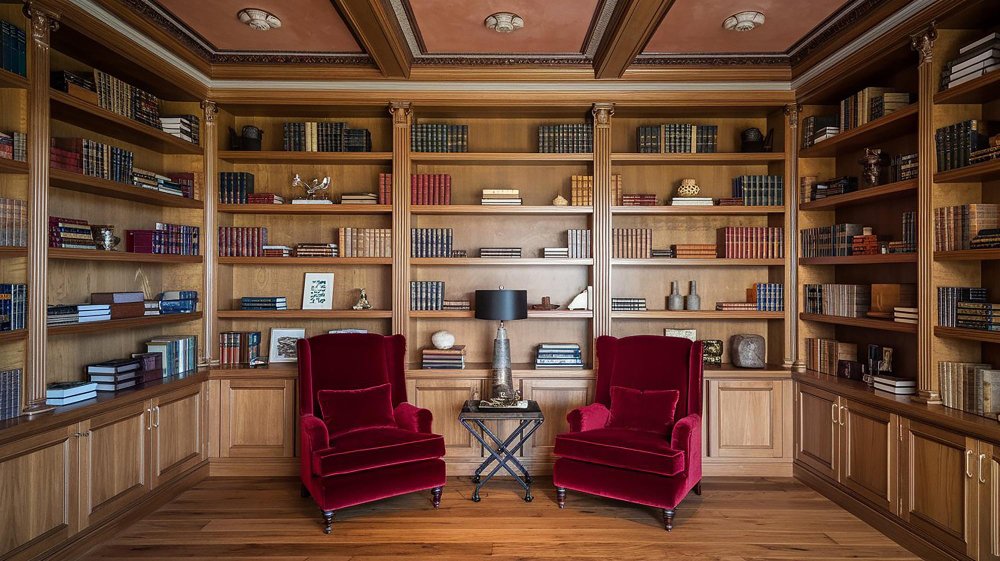
A thoughtfully designed custom library & bookcases project is about much more than displaying books. It creates organized storage, maximizes unused wall space, protects valuable collections, and transforms an ordinary room into a place designed for learning, working, and relaxing. Whether you’re planning a dedicated home library or simply adding built-in shelving to a living room or office, careful planning determines whether the finished space remains functional for decades or quickly becomes overcrowded.
“The best libraries are designed around the people who use them—not around the books they own today.”
Planning a Library That Grows With Your Home
Q: Many homeowners think built-in bookcases are simply decorative. Is there more to consider?
A: Absolutely. Beautiful shelving is only one part of the project. The real goal is creating storage that fits your lifestyle, protects your collection, and remains flexible as your needs change.
One of the biggest mistakes homeowners make is measuring their current books and assuming that’s all they’ll ever need to store. Collections usually grow over time, and today’s library may eventually hold photo albums, artwork, collectibles, office supplies, family documents, or media equipment.
A successful design should allow the room to evolve without requiring expensive modifications.
Q: What’s the first step before designing custom bookcases?
A: Start by understanding what the room should accomplish—not what it should look like.
Ask yourself:
- Will this be a quiet reading room?
- Will it function as a home office?
- Will children regularly use the space?
- Should valuable books be protected from sunlight?
- Will the shelves display decorative objects as well as books?
The answers influence shelf depth, cabinet layout, lighting, storage type, and even furniture placement.
For example, a library designed for reference books requires different shelf spacing than one intended for oversized art books or decorative displays.
Q: How do you determine the right shelf dimensions?
A: Measure your largest items first—not your average ones.
Many homeowners install identical shelves throughout the room, only to discover later that tall books, framed photographs, or binders don’t fit properly.
Instead, divide shelving into functional zones.
- Lower shelves for heavy books.
- Eye-level shelves for frequently used titles.
- Upper shelves for decorative items or seasonal storage.
- Closed cabinets for electronics, documents, or children’s toys.
Adjustable shelving is another feature worth considering. Reading habits change, collections grow, and flexible shelves extend the usefulness of the entire system.
Q: What materials perform best for built-in libraries?
A: The right material depends on the room, budget, and finish you want to achieve.
Solid wood offers timeless character and excellent durability but typically costs more. High-quality plywood provides outstanding structural stability for larger shelves, while MDF often produces an exceptionally smooth painted finish.
The most important factor isn’t simply the material—it’s matching the construction to the expected load. Long shelves supporting heavy books require stronger engineering than shelves intended primarily for decorative accessories.
If your shelves will hold hardcover books for many years, ask about shelf span, thickness, and reinforcement. Preventing shelf sagging during construction is far easier than correcting it later.
Q: Lighting seems to make a huge difference in home libraries. How should homeowners approach it?
A: Lighting should be planned before cabinetry is built.
Integrated LED lighting improves visibility, highlights architectural details, and makes shelving more functional without occupying valuable storage space.
Consider combining several layers of lighting:
- Ambient lighting for the room.
- Task lighting for reading areas.
- Accent lighting inside display shelves.
- Natural light balanced with window treatments to protect books.
Many homeowners also overlook electrical planning. Charging stations, computer equipment, printers, and reading lamps all require outlets positioned before cabinetry is installed.
Q: What storage features do homeowners appreciate the most after the project is finished?
A: Surprisingly, it’s usually the features they didn’t originally think about. Open shelving looks beautiful, but a library becomes much more practical when it includes a combination of open display space and concealed storage.
Closed cabinets keep office supplies, charging cables, board games, family documents, and seasonal decorations out of sight while maintaining a clean, organized appearance.
Many homeowners also appreciate:
- Adjustable shelves that adapt to changing collections.
- Deep lower cabinets for oversized books and archival boxes.
- Display niches for artwork or family photographs.
- Integrated desks for reading or remote work.
- Soft-close drawers for office supplies.
- Cord management systems for electronics.
The goal is to create a room that supports everyday life rather than simply displaying books.
Q: What are the most common mistakes homeowners make?
A: Most problems begin during the planning stage rather than the installation.
The mistakes we see most often include:
- Designing shelves without measuring the actual collection.
- Building every shelf to the same height.
- Using long shelves without adequate structural support.
- Ignoring natural light that can fade book covers over time.
- Planning beautiful shelving but forgetting storage for everyday clutter.
- Installing cabinetry before planning lighting and electrical outlets.
- Choosing appearance over long-term functionality.
Another mistake is trying to fill every available wall with shelving. A successful library needs visual balance. Leaving space for artwork, seating, or simply allowing the room to breathe often creates a more comfortable environment than covering every surface with cabinets.
Q: Where should homeowners invest more—and where can they save?
A: Spend your budget on the parts that affect durability and everyday use.
Worth investing in:
- Strong cabinet construction.
- Quality shelf supports and reinforcement.
- Premium drawer slides and hinges.
- Integrated lighting.
- Professional installation for built-in systems.
Areas where you may be able to save:
- Decorative moldings.
- Luxury hardware that doesn’t improve functionality.
- Specialty paint finishes.
- Decorative accessories that can be added later.
Many homeowners focus on visible details first, but long-term satisfaction usually comes from sturdy construction and thoughtful organization rather than expensive decorative features.
Q: What questions should homeowners ask before hiring a contractor?
A: Asking detailed questions early often prevents costly changes later.
Important questions include:
- What material will be used for the cabinet boxes and shelves?
- How much weight can each shelf safely support?
- Will shelves be adjustable in the future?
- How will lighting and electrical wiring be integrated?
- Will the cabinetry be built on-site or prefabricated?
- What warranty covers workmanship and hardware?
- How will expansion, settling, or uneven walls be accommodated?
The answers reveal whether the project is being engineered for long-term performance or simply assembled to match a design drawing.
Making Your Library a Lasting Investment
Professional custom bookshelf systems are most successful when they balance beauty with practicality. A well-designed library should organize your collection, support future growth, protect valuable books, and create a comfortable environment for reading, working, and spending time with family.
A thoughtfully planned custom library & bookcases project is far more than custom cabinetry. It is an investment in organization, learning, and everyday comfort. By planning for flexibility, choosing durable materials, and designing around how the room will actually be used, homeowners can create a library that remains both functional and beautiful for decades.