
Build a Better Home With Smarter Improvements
Chapter One: Why the Best Home Improvements Begin With Better Decisions
Most homeowners think about improvements when something no longer works. The kitchen feels cramped, storage is disappearing, utility bills continue to climb, or the home simply no longer reflects the way the family lives. While it’s tempting to start browsing design ideas or choosing finishes, the most successful home improvement projects rarely begin with materials—they begin with understanding the problem that needs to be solved.
A beautiful renovation that fails to improve daily life quickly becomes an expensive disappointment. On the other hand, a carefully planned upgrade can make a home easier to maintain, more comfortable, more energy efficient, and better prepared for changing needs over the next twenty years.
“The goal of a home improvement project isn’t to make your house look different. It’s to make living in it feel easier every single day.”
Whether you’re planning a single-room remodel or improving multiple areas over several years, approaching each project strategically will almost always produce better results than making isolated cosmetic changes.
Chapter Two: Think About Daily Frustrations Before Design Trends
Many remodeling projects start with inspiration photos. While these images can help communicate style preferences, they rarely reveal how a space actually functions. Before selecting finishes or fixtures, spend several days paying attention to the small frustrations you experience around your home.
Ask yourself questions such as:
- Which room feels crowded even when it’s clean?
- Where do family members naturally gather?
- Which storage areas are always overflowing?
- What household tasks take longer than they should?
- Which repairs seem to happen repeatedly?
- Are there spaces you rarely use—and why?
These observations often reveal that the real issue isn’t outdated cabinetry or old flooring. Instead, it may be poor circulation, insufficient storage, limited natural light, or a layout that no longer supports the family’s lifestyle.
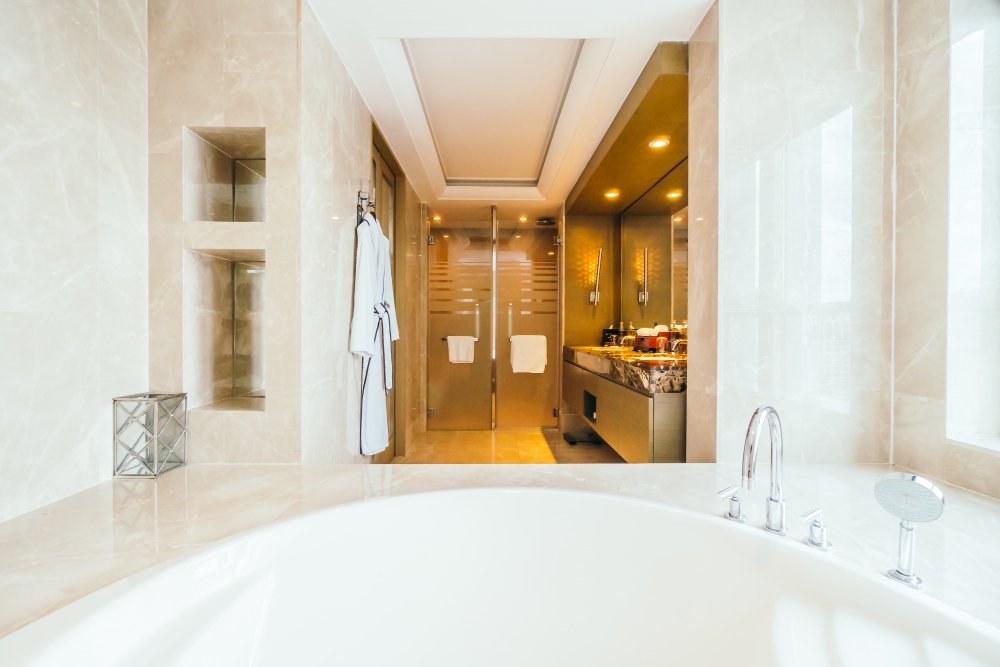
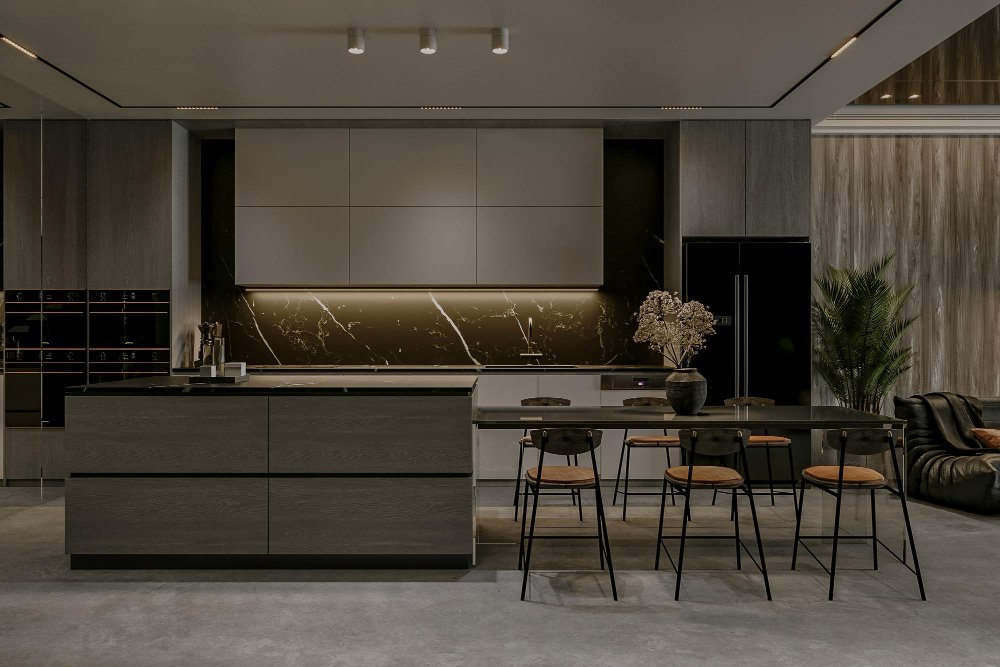
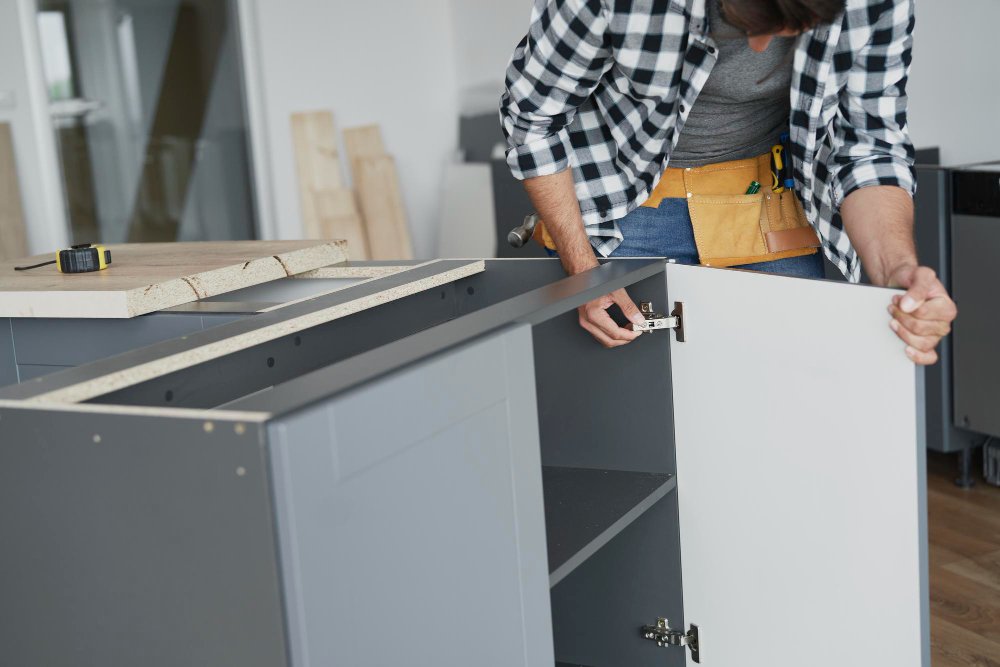
For example, replacing kitchen cabinets without improving storage organization may leave homeowners with the same daily frustrations despite spending thousands of dollars. Likewise, expanding a bathroom without improving ventilation can allow moisture problems to continue regardless of how luxurious the finishes appear.
The most valuable improvements solve the underlying problem instead of covering its symptoms.
Every improvement should answer one simple question: What will become easier after this project is finished? If the answer isn’t immediately clear, the project goals may need further refinement.
Another common mistake is planning every room independently. Homes function as complete systems, and changes in one area frequently affect another. Opening a kitchen may change traffic patterns throughout the first floor. Converting a spare bedroom into an office may reduce guest accommodations. Enlarging a primary suite may affect storage elsewhere in the house.
Considering these relationships early helps homeowners avoid expensive redesigns later.
Chapter Three: Spend Money Where It Cannot Easily Be Changed
One lesson experienced remodelers often repeat is surprisingly simple: invest first in the parts of the home that are hidden behind finished surfaces.
Beautiful countertops, flooring, and paint certainly influence appearance, but infrastructure determines how well the home performs over time.
Examples of high-value investments include:
- Electrical upgrades that support future appliances.
- Modern plumbing that reduces the likelihood of hidden leaks.
- Improved insulation and air sealing for better comfort and energy efficiency.
- Quality windows and exterior doors where appropriate.
- Ventilation systems that control moisture and improve indoor air quality.
- Durable framing repairs that address structural concerns before cosmetic work begins.
These improvements may not be immediately visible, yet they often provide greater long-term value than decorative upgrades alone.
By comparison, cabinet hardware, decorative lighting, paint colors, and many finish selections can usually be updated later with far less disruption and expense.
“Infrastructure is difficult to replace once the walls are closed. Finishes can always evolve as styles and preferences change.”
This mindset also helps homeowners prioritize projects when budgets are limited. Rather than completing one room with premium finishes while postponing necessary repairs elsewhere, many families benefit more from balancing investments across the home’s most important systems.
Planning Beyond Today’s Needs
Homes rarely remain static. Families grow, children become teenagers, parents move in, careers change, and retirement eventually alters how every room is used. Improvements that anticipate these transitions generally remain valuable much longer than projects designed around today’s circumstances alone.
When evaluating any renovation, consider questions such as:
- Will this space still function well in ten years?
- Can rooms serve multiple purposes if family needs change?
- Will maintenance become easier or more demanding?
- Does the design improve accessibility for every generation?
- Could future buyers easily understand and appreciate the improvements?
Thinking beyond immediate needs often leads to smarter decisions. Flexible layouts, durable materials, efficient storage, and timeless design choices usually provide greater long-term satisfaction than features that follow short-lived trends.
Chapter Four: The Improvements That Deliver the Greatest Long-Term Value
Not every remodeling project produces the same return. While resale value is important, the greatest return on investment often comes from improving how the home functions every single day. A project that saves time, reduces maintenance, lowers energy costs, and adapts to changing family needs may provide more value than one chosen purely for appearance.
When deciding where to invest, think about improvements in three categories:
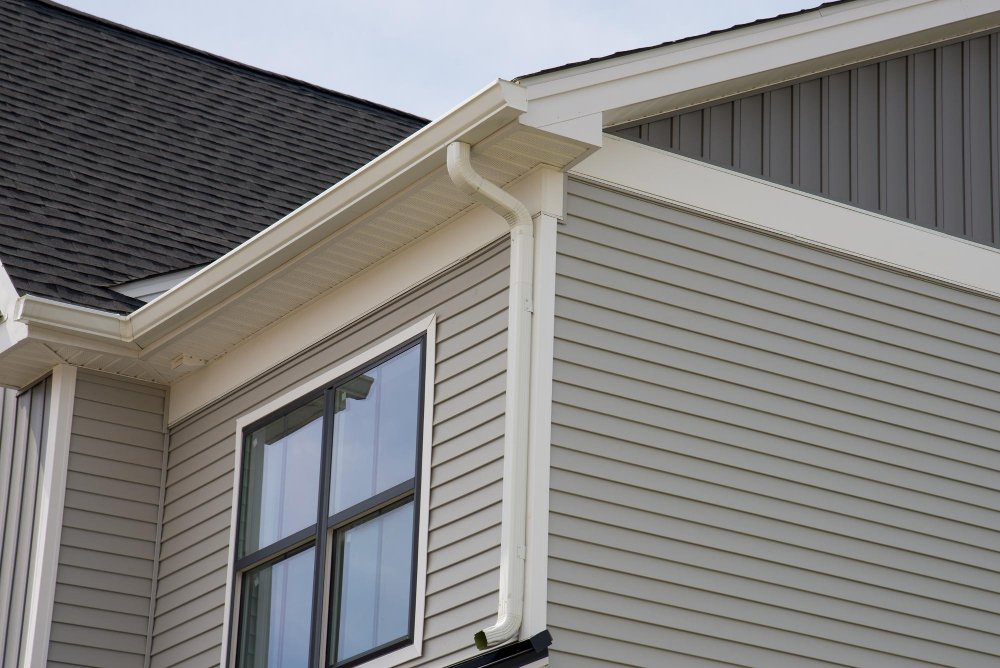
- Protect the home. Roofing, exterior doors, windows, siding, drainage, insulation, ventilation, and moisture control protect the structure and reduce future repair costs.
- Improve daily living. Better kitchens, bathrooms, storage systems, lighting, and more efficient layouts make everyday routines easier and more enjoyable.
- Prepare for the future. Flexible rooms, wider walkways, improved accessibility, energy-efficient systems, and durable materials help the home adapt as your family’s needs evolve.
Homeowners sometimes overlook the connection between these categories. For example, replacing old windows may improve comfort, reduce heating and cooling costs, and protect interior finishes from moisture. Similarly, adding better storage reduces clutter while making living spaces more functional without increasing the home’s footprint.
The best improvements solve multiple problems at once. A well-designed mudroom, for example, can reduce clutter, improve organization, protect flooring from outdoor debris, and create additional storage—all within a relatively small space.
Chapter Five: Avoiding the Mistakes That Cost the Most
Many remodeling regrets have little to do with craftsmanship. Instead, they result from rushed decisions, unrealistic budgets, or unclear project goals.
Some of the most common mistakes include:
- Starting construction before every major decision has been finalized.
- Choosing materials based only on appearance instead of durability and maintenance.
- Underestimating the importance of lighting, ventilation, and storage.
- Ignoring hidden infrastructure problems because they are not immediately visible.
- Selecting the lowest contractor estimate without comparing the scope of work.
- Failing to reserve a contingency budget for unexpected discoveries.
- Following short-lived design trends that may quickly feel outdated.
One of the most valuable habits homeowners can develop is asking why before approving any recommendation. If a contractor suggests moving plumbing, replacing framing, or upgrading electrical service, ask how the change will improve performance or reduce future risk. Understanding the reasoning behind each decision leads to greater confidence throughout the project.
Questions Worth Asking Before Every Home Improvement Project
Regardless of the room being remodeled, these questions can help guide better decisions:
- What problem is this project solving?
- Will this improvement still make sense in ten or twenty years?
- Which upgrades are difficult to change after construction?
- What maintenance will be required over the life of the project?
- What hidden costs should I prepare for?
- Are there opportunities to improve energy efficiency while the work is underway?
- What parts of the proposal are not included?
- If my budget changes, which items should remain priorities?
These conversations often reveal opportunities to improve the project before construction even begins.
“A successful renovation isn’t measured by how different a home looks on the day construction ends. It’s measured by how much easier life becomes every day afterward.”
Building a Home That Continues to Work for You
The most rewarding home improvements are rarely the most expensive ones. They are the projects that quietly improve everyday life—making storage more efficient, reducing maintenance, increasing comfort, improving natural light, lowering utility costs, and preparing the home for future changes.
Rather than chasing trends, focus on thoughtful planning and long-term performance. Prioritize investments that strengthen the home’s structure, improve functionality, and support the way your family actually lives. Cosmetic updates will always have their place, but they should complement a well-planned home instead of compensating for underlying problems.
Every successful improvement begins with the same decision: solving the right problem before choosing the right product. When homeowners take the time to understand their needs, ask better questions, and invest where it matters most, every future renovation becomes more effective—and every room becomes easier to enjoy for years to come.